

What Can I Use To Clean Pool Decks
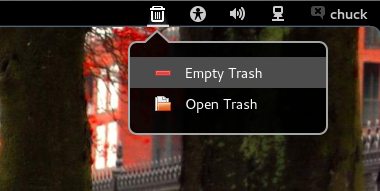
Let'due south say you lot demand to costless upwardly space on Ubuntu — how do you lot go about it?
Unlike Windows, which comes with born defrag and disk make clean-up tools, Ubuntu doesn't go farimmediately obvious how you lot get most trying to gratis up space.
So what do you exercise in one case you've emptied the trash and deleted those sizeable .ISO downloads? How practice yous recover more than space?
Below, we show you 5 super simple (and in some cases blindingly obvious all the same easily forgotten) steps you lot can take to become back GBs, materialise MBs, and make clean out the KB cruft!
Side by side time yous need more space — and heck: even if you don't — here are 5 simple ways to costless up disk space on Ubuntu.
1. Make clean the APT Cache (And Practise It Regularly)
It sounds so obvious still chances are you haven't done this for a while.
Past default Ubuntu keeps every update information technology downloads and installs in a cache on your disk, just in case y'all demand it once again.
This is useful if yous regularly add and remove apps, find yourself needing to reconfigure/reinstall a specific package, or simply have a poor connection.
But the flip side is that the apt package cache tin quickly keen to several hundred MBs. This control tells you lot how big your apt cache is:
du -sh /var/cache/apt/archives
To clean the apt cache on Ubuntu but run the following command.
sudo apt-get clean
The apt clean control removes ALL packages kept in the apt cache, regardless of age or demand. If you're on a slow, capped or intermittent connection you may want to consider skipping this step.
2. Remove Sometime Kernels (If No Longer Required)
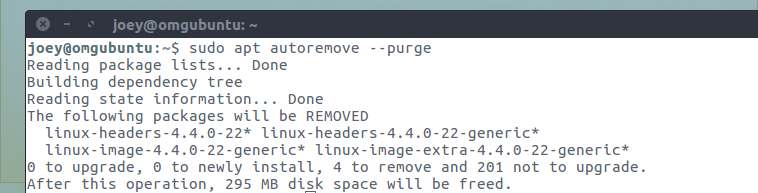
Now, admittedly, this step is one you want to arroyo with caution.
Having a pick of kernels to kick up is, honestly, quite handy, especially if y'all notice something has gone amiss while using the latest one.
Unless yous're in the throes of constant hardware woes there's lilliputian need to hoard kernels.
Information technology's easy to remove one-time kernels in Ubuntu. You can do information technology from the command line using the post-obit command:
sudo apt-get autoremove --purge
Note that this command volition only remove kernels that a) are no longer needed and b) were installed from the Ubuntu archive through system updates. If you install kernels manually or using a tertiary-party PPA you'll demand to curlicue up your sleeves and remove those manually.
3. Uninstall Apps & Games Y'all Never Use (And Exist Honest!)
Chances are you have a number of apps installed that you never use. Peradventure you installed them on the back of an crawly review, out of nosiness, or to tackle a specific task.
Whatever the excuse, if you no longer need an app, and it's taking up space, don't exist agape to uninstall it.
Typical apps you lot may wish to expunge include web browsers (are yous ever going to utilise Opera, Epiphany, Midori and Min?), music players (heck knows there'south enough of 'em) and games that sounded proficient in the Steam Store blurb but were as much fun as a Windows 10 update philharmonic!
And everyone hasLibreOffce Describe knocking about doing nothing! 😅
Don't prevarication to yourself near might-needs and could-dos, either. The beauty of most software is that information technology's not going abroad someday soon. This is never truer than on Linux, where apps remain anapt install command away.
To remove apps from the command line run:
sudo apt-become remove package-name1 packet-name2
To remove excess packages and dependencies that are no longer required (because you've uninstalled other packages or newer versions accept replaced them) run the following command:
sudo apt-get autoremove
4. Use A System Cleaner like BleachBit
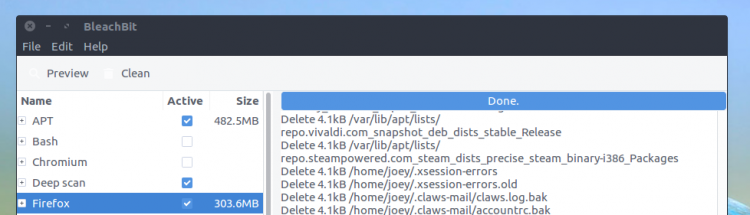
Writing a "to-practise" list on system cleaning would end up 10x longer if we listed every app, cache, log and system process hiding in every nook and cranny of your OS.
BleachBit saves us from doing that.
Information technology'due south similar CCleaner for Linux; a byte scouring beast. The app tin can find and clean pretty much every fluff file in that location is and, every bit a result, should only always be used with caution.
BleachBut tin wipe the caches of more than 70 pop desktop applications (including almost web browsers); hoover upwardly old file, browser and bash histories; and makes light work of those crash logs you'll never get effectually to reading.
No surprise that we recommend installing it as one of our meridian things to do after installing Ubuntu.
You can install BleachBit on Ubuntu 16.04 LTS (and above) directly from Ubuntu Software.
Run the app as root for maximum cleaning ability. Check the boxes beside the things you lot'd like to make clean. Click Preview to see an estimate of how much space they currently take upwardly, and click Make clean to remove them.
5. Stay up to date (seriously, exercise information technology!)
The nearly obvious footstep on this list is likewise the one few people would think to recommend. Run into, unlike Windows, where every new update adds more overhead and bloat, package updates on Linux oftencomplimentary space rather than use it.
So next time yous put off that 156MB librandom-package102 update cos you're running low on space, maybe think once more!
Summary
That simply about covers it. If yous merely think two steps from this listing make it the offset and final.
- Make clean your apt cache from time-to-fourth dimension
- Install patches, updates, and fixes
Now go forth and free space!
Let us know how much space yous manage to claw back or share your own acme space-saving tips in the comments!

Source: https://www.omgubuntu.co.uk/2016/08/5-ways-free-up-space-on-ubuntu
Posted by: millerfented79.blogspot.com
0 Response to "What Can I Use To Clean Pool Decks"
Post a Comment